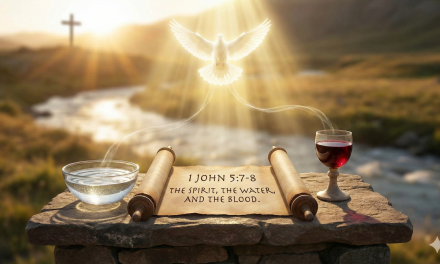

This summary explores the true meaning of “sound doctrine,” shifting the focus from intellectual arguments to a life transformed by the teachings of Jesus Christ.
The Meaning of Sound Doctrine
“Doctrine” simply means teaching, but the biblical word “sound” refers to something that is healthy or wholesome. Sound doctrine is not just a list of beliefs or a creed used to judge others; it is “healthy teaching” that inevitably produces a holy life.
The Danger of “Itching Ears”
We live in an age where people often refuse to endure sound doctrine. Instead, they seek out teachers who cater to their “itching ears”—people who offer new, fascinating, or controversial theories that capture the attention without changing the heart. In the digital age, social media algorithms often provide a “heap” of these teachers, leading to a “mountain of information” that creates a foundation of confusion rather than truth.
Signs of Unsound Doctrine
When we reject healthy teaching, we become like children “tossed to and fro” by every wind of doctrine. Unsound doctrine is often characterized by:
-
Pride and Division: Focusing on “questions and strifes of words” that lead to envy, railing, and evil surmisings.
-
A Sick Appetite: A “sickness of mind” that craves doctrinal controversy rather than practical godliness.
-
Hypocrisy: Mastering the art of self-improvement (like diet or dress) while neglecting self-sacrifice and love for others.
The Fruit of True Doctrine
According to the Gospel, sound doctrine is practical. It deals with how we treat our neighbors, our spouses, and our children. It produces a character that is sober, grave, temperate, and sound in faith and charity. As Jesus demonstrated in the Sermon on the Mount, true doctrine isn’t primarily theological—it’s about character, dealing with anger, lust, and how we treat those around us.
The Final Test: The Coming Storm
A storm is coming—both globally and personally. Those who only hear the words of Christ but do not do them are building their lives on sand. Only those who hear His sayings and implement them into their lives are building on the Rock. Sound doctrine is not a theory to be debated; it is the powerful word of Christ that transforms the soul.
Scripture References
-
2 Timothy 4:3-4 – The time when men will not endure sound doctrine but seek teachers for itching ears.
-
Ephesians 4:14 – Being no more children tossed to and fro by every wind of doctrine.
-
Romans 16:17-18 – Marking those who cause division contrary to the doctrine learned.
-
1 Corinthians 14:33 – God is not the author of confusion but of peace.
-
2 Timothy 3:16-17 – All scripture is profitable for doctrine, that the man of God may be perfect.
-
Isaiah 58:6-7 – The true fast: loosing bands of wickedness and feeding the hungry.
-
1 Timothy 6:3-5 – Consent to wholesome words; the danger of being “proud, knowing nothing” and “doting about questions.”
-
1 Timothy 1:8-11 – The law is good if used lawfully; it is against sin and contrary to sound doctrine.
-
Galatians 5:22-23 – The fruit of the Spirit: against such there is no law.
-
Titus 2:1-5 – Speaking things that become sound doctrine: soberness, holiness, and love in the home.
-
Matthew 7:24-29 – Building on the Rock vs. the Sand; the authority of Christ’s doctrine.
Small Group Discussion Questions
-
How do we distinguish between a healthy “hunger for truth” and a “sick appetite” for controversial questions or doctrinal debates?
-
The message states that “healthy doctrine produces a holy life.” Have you ever seen a “correct” belief lead to a “bitter” spirit? How do we guard against this?
-
In what ways does our modern “information heap” (YouTube, social media) make it harder to remain anchored in the simple words of Christ?
-
Why is it often easier to focus on “self-improvement” (diet, habits) than on “self-sacrifice” (serving the oppressed or needy)?
-
Jesus’ doctrine in the Sermon on the Mount was “practical, not theological.” Which of His practical teachings do you find most challenging to “do” rather than just “hear”?