In this episode of The Outpost Podcast, Matt Dooley and Demario Carter dive into the decline of modern institutional religion and explore a more authentic, community-based model for the church.
The Crisis of the Modern Church
The discussion begins with startling statistics showing a sharp decline in church membership, dropping from 70% in 1999 to 47% in 2020 [
-
Hypocrisy and Scandals: High-profile cases of misconduct and corruption among leadership [
06:20 -
Political Polarization: Disillusionment with the church’s heavy involvement in partisan politics [
09:46 -
Lack of Engagement: Feeling like a “cog in the machine” or a passive consumer rather than an active member [
11:39
The “Business” of Religion
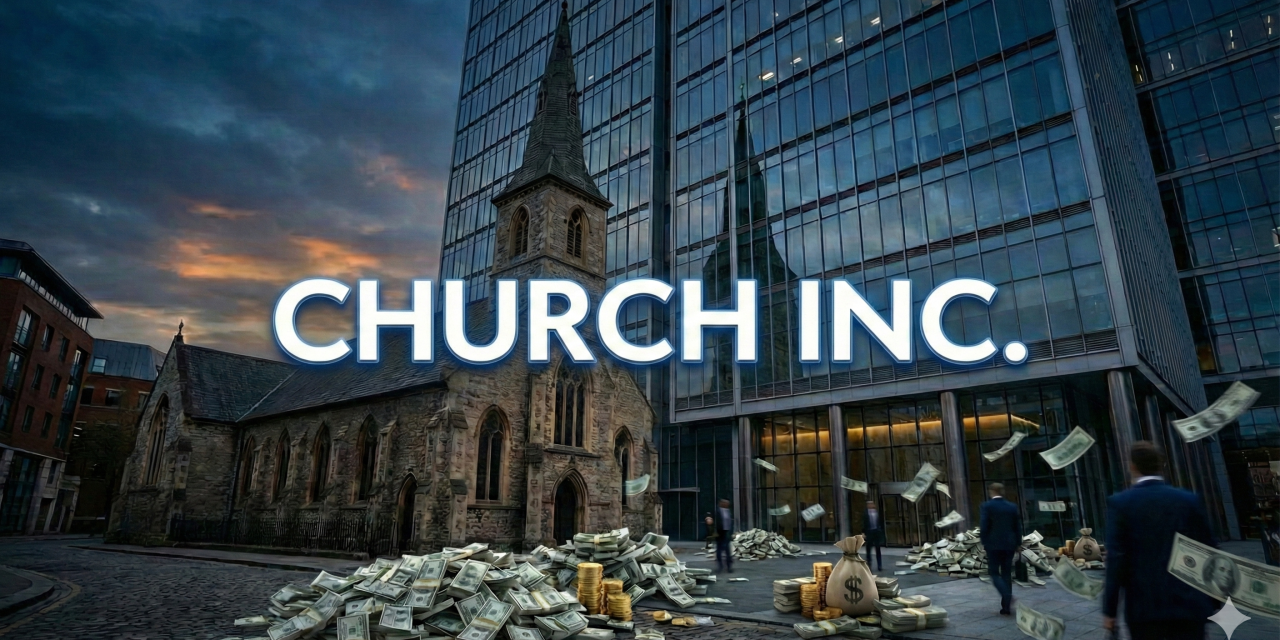
Matt and Deario critique the “corporate model” of the modern church, which often mirrors large multinational companies focused on revenue and numbers [
A Return to the Biblical Model
The podcast explores the original meaning of “church”—the ekklesia, or the “called-out ones” [
-
The Royal Priesthood: Every believer is called to be part of the “royal priesthood,” using their unique gifts to serve rather than relying solely on professionalized, educated “experts” [
01:12:14 -
Ministry as Service: Reclaiming the definition of a minister as a “servant” (Matthew 20:26-28), starting within one’s own home and family [
01:21:22 01:24:25
The Outpost Model in Arkansas
The hosts share their experience building a Christ-centered community in rural Arkansas. This model emphasizes:
-
Organic Growth: Moving forward by faith and waiting on God’s providence rather than forcing institutional plans [
58:22 01:04:41 -
Economic Independence: Encouraging families to have their own stewardships, such as small businesses or farms, while living in close-knit fellowship [
01:36:14 01:44:07 -
Authentic Relationships: Moving beyond “one day a week” interactions to a daily life shared with other believers [
01:08:54
Conclusion
The podcast concludes by encouraging listeners to pray and seek God’s voice concerning their own calling [