A Fiery Stream: Understanding the Most High and the Great Controversy
This profound study takes us deep into the heart of the great controversy between Christ and Satan, revealing truths that challenge our understanding of the Godhead and spiritual warfare. We explore Isaiah 14 where Lucifer declares his ambition to be like the Most High, but here’s the crucial insight: the Most High is the Father, and Jesus Christ is the Son of the Most High. This distinction isn’t about diminishing Christ’s divinity—rather, it illuminates the unique relationship between Father and Son that Satan envied. We discover that only one being in all the universe shares the express image of the Father: Jesus Christ. This is why Lucifer’s rebellion against Christ was simultaneously a rebellion against the Father who gave Him all authority. The study brilliantly connects Daniel 7’s vision of the Ancient of Days with the fiery stream proceeding from His throne—a powerful symbol of the Holy Spirit flowing from both Father and Son. This same imagery appears throughout Scripture: the seven lamps of fire in Revelation, the river of living water, the baptism of fire. We’re confronted with an urgent question: are we drinking from this divine stream, or are we spiritually parched? As we approach the time when God’s Spirit may be withdrawn from those who persistently reject Him (symbolized by the drying up of the Euphrates in Revelation 16), we must ask ourselves if we truly hunger and thirst after righteousness. This message calls us to recognize the Father and Son as distinct persons united in purpose, and to receive the life-giving Spirit that flows from them both.
Key Points:
- Lucifer wanted to be like the Most High, but the Most High is specifically the Father, not the Son
- Jesus Christ is the Son of the Most High and serves as the express image of the Father’s person
- Christ is a high priest after the order of Melchizedek, who was a priest of the Most High God
- The “fiery stream” in Daniel 7:10 represents the Holy Spirit proceeding from the Father
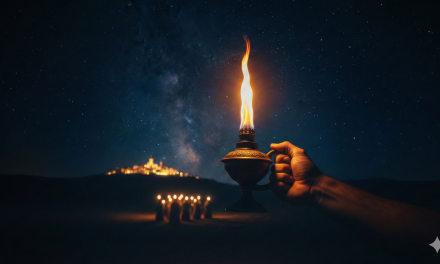
- This same Spirit is depicted as seven lamps of fire in Revelation 4:5 and as a river of living water in Revelation 22:1
- The word “stream” (nahar) in Daniel 7:10 is the same word used for the Euphrates River in Ezra
- The drying up of the Euphrates in Revelation 16:12 may symbolize the withdrawal of God’s Spirit from the unrepentant
- Satan, depicted as a dragon that breathes fire, is a counterfeit of the Most High who has a fiery stream
- God’s Spirit is currently being withdrawn as people refuse to repent and give God glory
- Christ’s divinity comes from being the begotten Son of the Father, not from being a “lesser God”