The Father and Son: Understanding the Biblical Nature of God
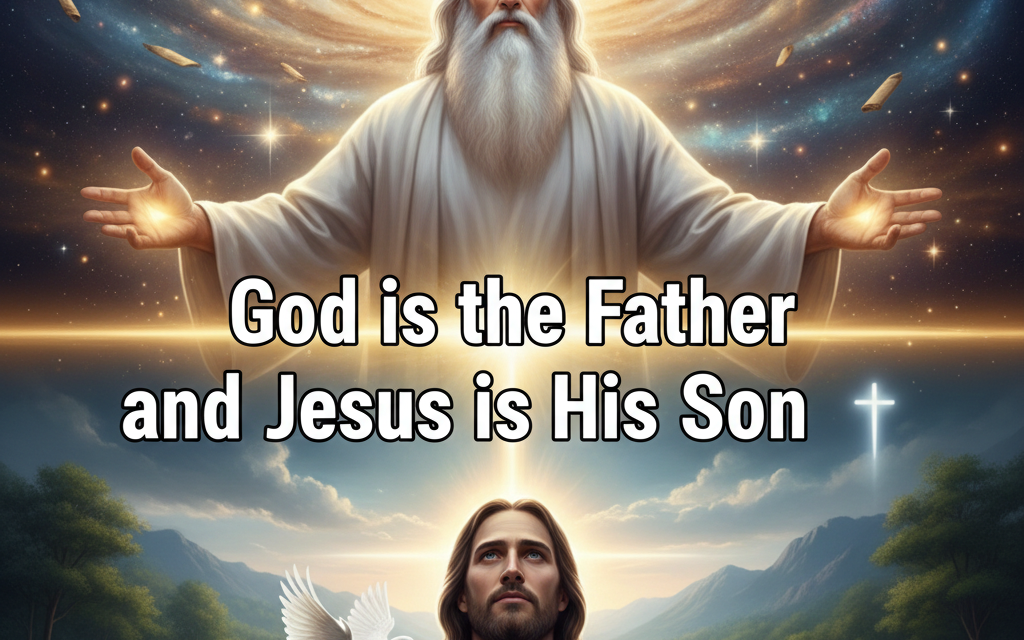
At the heart of our faith lies a profound question: Who is the God we worship? This exploration takes us through a fascinating journey examining what Scripture actually reveals about the nature of God, particularly the relationship between the Father and the Son. We discover that many verses commonly cited to support complex theological formulations actually present something beautifully simple when read in context—a literal Father who gave His literal Son. From 1 John’s declaration that God gave us eternal life through His Son, to Paul’s greetings consistently distinguishing between God our Father and the Lord Jesus Christ, the biblical pattern emerges clearly. The study challenges us to read Scripture according to its obvious meaning rather than spiritualizing it away. When we encounter passages like John 3:16 or Matthew 28:18-20, we’re invited to see not abstract theological constructs, but the stunning reality of a Father’s sacrifice and a Son’s willing obedience. This isn’t merely academic—it transforms how we understand the cross, baptism, and God’s personal involvement in our salvation. The question becomes deeply personal: Are we willing to accept what the Word plainly says, even when it challenges traditional interpretations? This journey invites us to rediscover the beauty of a God who truly is our Father and who genuinely gave His beloved Son.
Key Points:
- The debate is not about whether there are three (Father, Son, Holy Spirit) but about the relationship and nature of those three
- Historical Seventh-day Adventist fundamental beliefs (1872/1889) differed from current official doctrine regarding the nature of God
- Scripture should be interpreted according to its obvious meaning unless a symbol or figure is employed (Great Controversy 598)
- Verses commonly cited to prove Trinity doctrine (1 John 5:7, 1 Peter 1:2-3, Ephesians 4:4-6, 2 Corinthians 13:14, etc.) actually demonstrate a Father-Son relationship when read in context
- The term “only begotten Son” should be understood literally, not spiritualized to mean merely “unique”
- Jesus Christ received all power from the Father (Matthew 28:18), indicating He is truly the Son who inherited authority
- Baptism represents being buried with Christ in His death and raised by the glory of the Father to walk in newness of life
- The Father’s sacrifice in giving His Son involved genuine struggle and pain, demonstrating the reality of their relationship
- Spiritualizing away Scripture is a form of spiritualism that Ellen White warned against
- The Holy Spirit represents Christ’s presence with believers, not a separate co-eternal being
Scripture References from the Sermon
Explicitly Mentioned Scripture References:
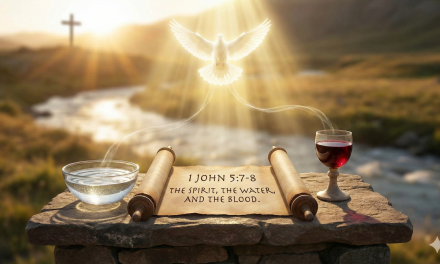
- 1 John 5:7-11 – The three that bear record in heaven
- 1 John 4:7-9 – God is love; God sent His only begotten Son
- 1 Peter 1:2-3 – Elect according to foreknowledge; God and Father of our Lord Jesus Christ
- Ephesians 4:4-6 – One body, one Spirit, one Lord, one God and Father of all
- 2 Corinthians 13:14 – The grace of the Lord Jesus Christ, love of God, communion of the Holy Ghost
- 2 Corinthians 1:2-3, 19, 21-22 – Grace from God our Father; the Son of God; God who establishes and seals
- John 3:16 – God so loved the world that He gave His only begotten Son
- Matthew 28:18-20 – The Great Commission; baptizing in the name of the Father, Son, and Holy Spirit
- Romans 6:3-4 – Baptized into Christ’s death; buried and raised with Him
- Isaiah 6:1-8 – Vision of God on the throne; “Whom shall I send, who will go for us?”
- John 8:42 – Christ proceeded and came forth from God
- Genesis 1:26 – (Listed but not discussed in detail)
- Deuteronomy 6:4 – (Listed but not discussed in detail)
- 1 John 1 – (Referenced regarding fellowship with Father and Son)
- John 17:3 – (Mentioned but not quoted)
- 1 Corinthians 8:6 – (Mentioned but not quoted)
- 1 Timothy 2:5 – (Mentioned but not quoted)
- Hebrews 1 – (Referenced regarding Christ obtaining a more excellent name)
- Daniel 7 – (Referenced regarding heavenly throne room)
- Revelation 4-5 – (Referenced regarding heavenly throne room)
Ellen G. White Quotations Referenced:
- Great Controversy, page 598 – Language of the Bible should be explained according to its obvious meaning
- Christ and His Righteousness, Chapter 2 – Regarding Christ proceeding from God in eternity past
- Spiritual Gifts, page 26 – The Father yielding up His dearly beloved Son
- Manuscript 12, 1895 – “Whom shall I send” and Christ as the eternal self-existent Son
Suggested Additional Verses for Main Themes:
Based on the sermon’s focus on the Father-Son relationship and the nature of God:
- John 1:1-3, 14, 18 – The Word was with God; the only begotten Son
- John 5:26 – The Father has given the Son to have life in Himself
- John 14:9-11 – He who has seen Me has seen the Father
- Colossians 1:15-19 – Christ as the image of the invisible God, the firstborn
- Hebrews 1:1-8 – God has spoken through His Son; the Son as heir of all things
- Proverbs 8:22-30 – Wisdom personified (traditionally interpreted as Christ) brought forth before creation
- Philippians 2:5-11 – Christ’s humiliation and exaltation
- John 20:17 – “I am ascending to My Father and your Father, to My God and your God”