
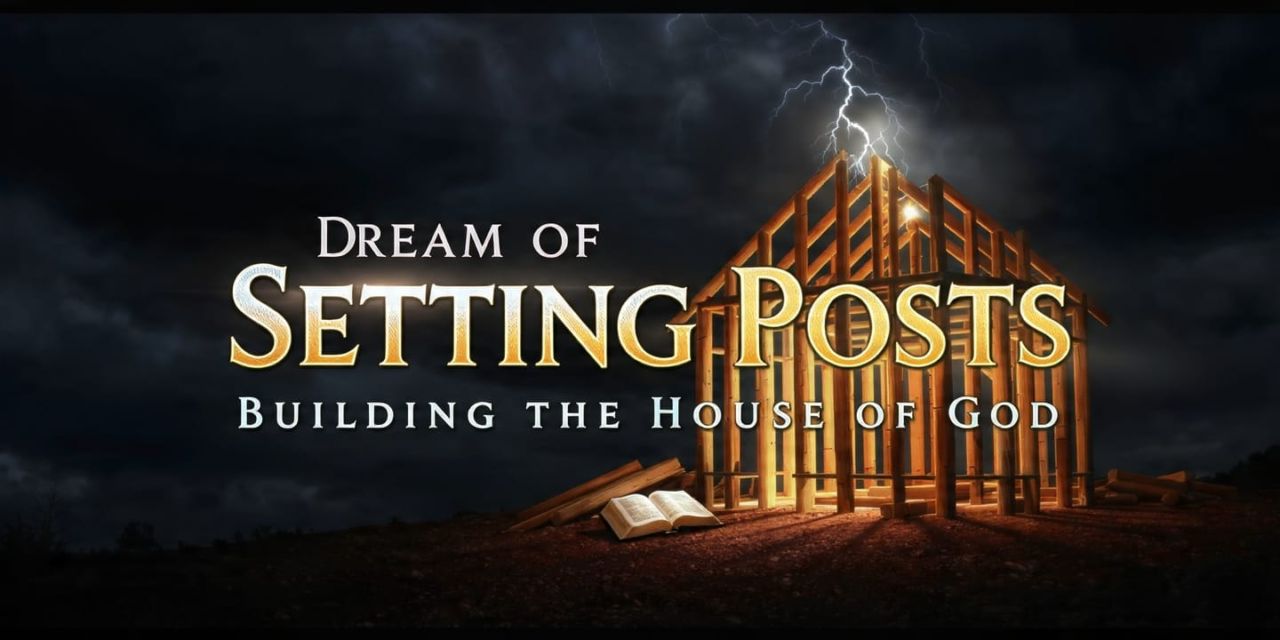
The Dream of “Setting Posts”
- The Construction Analogy: The speaker shares a personal dream from March 14th where he saw a building being framed with 6×6 posts. In the dream, every other post was missing, making the building completely unstable. He felt a deep, inspired urgency to make sure every single post was set in its proper place.
- The Attack of the Copperheads: While inspecting the structure, venomous copperhead snakes appeared and tried to attack the builders. He explains that these fast and cunning serpents represent Satan’s attempt to invade, distract, and destroy the house of God from within.
Biblical Foundations of the “House”
- The House is the Church: Drawing from 1 Corinthians 3:9, 16 and Hebrews 3:6, the sermon highlights that God’s building or temple isn’t a physical structure—it is the community of believers.
- The Shift in Satan’s Tactics: While the early church faced violent, overt persecution (like Saul throwing men and women into prison), the speaker notes that in the modern Western world, the enemy uses quiet deceptions, mental distractions, and internal division instead.
The Home as the Front Line
- Havoc in the House: Referencing Acts 8:3, where Saul made havoc of the church by “entering into every house,” the speaker argues that the front line of spiritual warfare is the family unit.
- Household Salvation: He walks through several New Testament examples—including Zacchaeus, the nobleman of Capernaum, Cornelius, Lydia, and the Philippian jailer—to demonstrate that God’s historical focus has always been on saving entire households together.
The Calling of the “Posts” (Fathers & Leaders)
- Paternal Governance: The sermon defines a biblical family structure as a loving, protective form of governance where the father acts as a spiritual pillar or “post. He addresses modern secular pushback against this concept, emphasizing that true biblical leadership is entirely free from dominance, abuse, or control.
- The Character of a True Post: True spiritual pillars must lead by example. Referencing Ephesians 5:25, the speaker explains that husbands are called to love their wives “even as Christ also loved the church and gave himself for it”—which requires deep patience, self-sacrifice, and gentleness.
- A Call to Overcome: The sermon concludes with a reflection on Revelation 3:12. The speaker challenges fathers and heads of households to overcome everyday struggles—like impatience, anger, or the inability to listen—so they can be made permanent, eternal “pillars” in the temple of God.